Does Paying With Crypto Make a Casino Game Blockchain-Based?
You can pay for a casino game with Bitcoin without the game itself having anything to do with blockchain technology.

You can pay for a casino game with Bitcoin without the game itself having anything to do with blockchain technology. The casino might accept crypto deposits and withdrawals while keeping everything else on its own servers.
It’s an easy distinction to miss, especially when a casino makes a big deal about accepting cryptocurrency. So where does the blockchain actually come in?
What happens after you deposit crypto?
If you deposit $100 in crypto, it is recorded on the blockchain. You can look it up using a block explorer and check all its details.
Once the casino credits your account, though, things work much as they would with a regular deposit. You open a slot, place a $2 bet and get a result. The casino’s software handles the spin and updates your balance.
You could play 50 rounds without any new transactions appearing on the blockchain.
The same goes for popular casino games like roulette and blackjack. Funding your account with crypto doesn’t change the software running those games.
Your withdrawal will normally appear on the blockchain once the casino sends the funds to your wallet. The bets you placed along the way remain in the casino’s internal records.
Games that run through smart contracts
Ethereum allows developers to build games using smart contracts, and these work rather differently.
Let’s imagine a simple coin-flip game. Your wallet connects to the application, and you place a bet. This means sending funds to a smart contract. The contract contains the rules for accepting bets and settling them. Depending on how the game is built, it can also record the outcome and transfer any winnings.
There’s no need for a traditional casino account to handle every bet. The contract does some of that work directly on the blockchain.
Of course, using Ethereum comes with network fees. Transactions that change the blockchain’s records cost gas, although an application may cover those fees for you.
You can also look up the contract’s activity on a block explorer. That gives you a record of transactions and changes made through the contract, which is quite different from seeing only your deposit and withdrawal.
The problem with random numbers
Coin flips and roulette need unpredictable results. That’s a bit awkward for blockchain games because the information stored on a public blockchain is visible to everyone.
A developer can’t just pick some easily predictable blockchain data and use it to decide whether you’ve won. Someone might be able to work out the result before placing a bet.
Chainlink VRF offers one way around this. It generates random values and supplies cryptographic proofs that smart contracts can check on-chain.
There’s an interesting technical detail here. Chainlink VRF uses components outside the blockchain to generate those values. The proof gets checked on-chain, but the whole process doesn’t happen there.
And blockchain games aren’t the only ones using cryptography to check results.
Some conventional casino games offer provably fair verification. Players can use cryptographic data to check whether a result matches the game’s published verification method. All of this can happen without putting individual bets on a blockchain.
What a block explorer can tell you
Remember the $100 crypto deposit? With a conventional casino, you might find that transaction and a later withdrawal. The individual slot spins generally won’t show up.
A smart-contract game can leave more information behind. Depending on its design, you may find transactions for individual bets, recorded results and payments made through the contract.
But you still need to know what you’re looking at. Smart contracts can have bugs. Some allow administrators to change settings. You can’t tell if it’s working as intended by simply looking at the code.
Even reading it can be a chore unless you know the programming language.
For a conventional casino game, the transaction ID from your Bitcoin deposit is useful for checking that the transfer reached an address. It won’t help you work out how the software picked the winning number on your next roulette spin.
Related

Ranking in the iGaming Niche: An SEO Blueprint for Crypto Casino Review Sites
Ranking in the iGaming Niche: An SEO Blueprint for Crypto Casino Review Sites
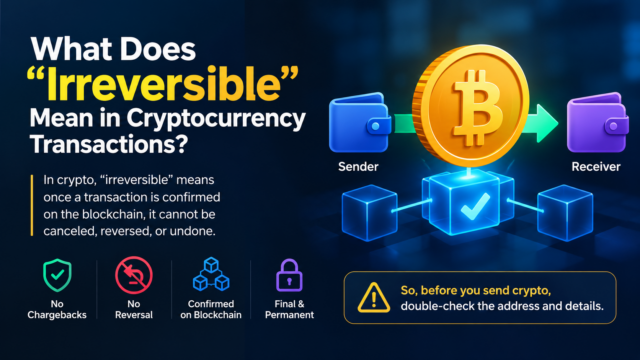
What Does “Irreversible” Mean in Cryptocurrency Transactions
Today, sending crypto feels a lot like making any other online payment. You enter an amount, check the details and…

Difference Between CFD and Equity: What Every Beginner Trader Should Know
Difference Between CFD and Equity: What Every Beginner Trader Should Know