Markets
What Is Leverage in Crypto Trading?
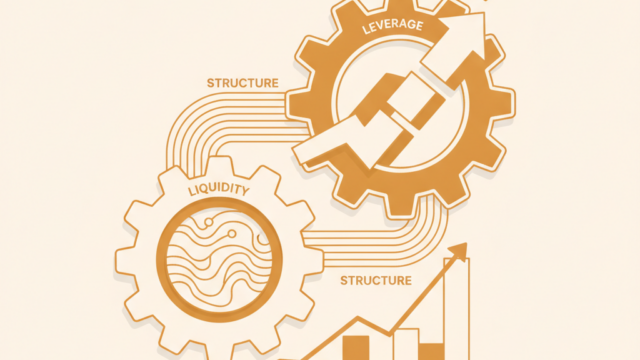
Leverage lets a trader control a position larger than their capital by borrowing, magnifying both gains and losses and adding…
Marcus Reed explains how crypto markets function mechanically — order books, liquidity, spreads and exchange mechanics. He describes how markets work, never what to trade.
Leverage lets a trader control a position larger than their capital by borrowing, magnifying both gains and losses and adding…
Slippage tolerance is the maximum price change you'll accept between quote and execution before a decentralized-exchange trade cancels.
Crypto arbitrage is buying a coin where it is cheaper and selling where it is dearer to capture the price…
TWAP is an execution method that splits a large order into equal pieces traded at regular intervals to track the…
Wash trading is illegal market manipulation: buying and selling the same asset to fake activity without any real change in…
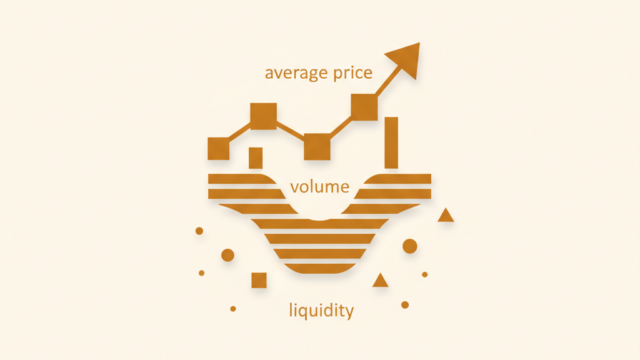
Trading volume is the total amount of an asset bought and sold over a period, a core measure of market…
Order flow is the stream of buy and sell orders hitting a market, showing how aggressive buyers and sellers interact…
Spoofing is an illegal form of market manipulation where a trader places orders they intend to cancel to fake supply…
Crypto margin trading uses borrowed funds and collateral to open larger positions, which magnifies both gains and losses and adds…
VWAP is the average price an asset traded at over a session, weighted by volume, used as a benchmark for…