Bull Market vs Bear Market: What’s the Difference?
Discover what is layer 2 in blockchain technology and how it improves scalability and efficiency while maintaining security.
Quick answer: Layer 2 blockchain solutions are secondary frameworks built on top of existing blockchains to improve scalability and efficiency by handling transactions off the main chain.
Layer 2 blockchain solutions are designed to address the scalability issues inherent in many primary blockchain networks, such as Ethereum. By processing transactions off the main chain, what is layer 2 aims to increase transaction throughput and reduce fees while maintaining the security of the underlying blockchain.
As blockchain technology continues to evolve, the demand for faster and more efficient transaction processing has grown. Layer 2 solutions provide a way to scale blockchains without compromising on decentralization or security, making them a crucial component of the blockchain ecosystem.
Key takeaways
- Layer 2 solutions enhance blockchain scalability.
- They process transactions off the main chain.
- Layer 2 maintains the security of the primary blockchain.
- These solutions reduce transaction fees and latency.
- Examples include Lightning Network for Bitcoin and Optimistic Rollups for Ethereum.
What are Layer 2 Blockchain Solutions?
What are Layer 2 Blockchain Solutions?
Layer 2 blockchain solutions are protocols built on top of existing blockchain networks (Layer 1) to improve scalability, reduce costs, and increase transaction throughput. These solutions aim to address the inherent limitations of Layer 1 blockchains, such as Bitcoin and Ethereum, which can struggle with high transaction volumes and rising fees during periods of congestion.
Layer 2 solutions process transactions off the main blockchain but maintain a strong connection to it, ensuring security and decentralization are preserved. By moving transactions off the main chain, Layer 2 solutions can handle a significantly higher number of transactions per second (TPS) and reduce the load on the primary blockchain.
There are several types of Layer 2 solutions, each with its own approach to enhancing blockchain performance:
- State Channels: These allow participants to transact privately off-chain, only settling the final state on the main blockchain. This reduces the number of transactions that need to be processed on-chain.
- Sidechains: These are separate blockchains that run parallel to the main chain and have their own consensus mechanisms. They periodically synchronize with the main chain to ensure security.
- Rollups: These bundle multiple transactions into a single transaction, which is then recorded on the main blockchain. There are two main types of rollups:
- Optimistic Rollups: Assume transactions are valid by default and only perform computation if fraud is suspected.
- ZK-Rollups: Use zero-knowledge proofs to verify the validity of transactions without revealing the underlying data.
Layer 2 solutions offer various trade-offs between scalability, security, and decentralization. The choice of a specific solution depends on the needs of the application and the priorities of the developers.
| Factor | State Channels | Sidechains | Optimistic Rollups | ZK-Rollups |
|---|---|---|---|---|
| Scalability | High | High | High | Very High |
| Security | High | Moderate | High | Very High |
| Decentralization | High | Moderate | High | High |
It’s important to note that while Layer 2 solutions offer significant improvements, they are not without risks. Users should be aware of the potential for liquidity issues, smart contract vulnerabilities, and the complexity of integrating with Layer 1 blockchains.
How Does Layer 2 Technology Work?
How Does Layer 2 Technology Work?
Layer 2 technology operates on top of existing blockchain networks, such as Ethereum, to enhance scalability and efficiency. The primary goal of Layer 2 solutions is to address the inherent limitations of Layer 1 blockchains, such as high transaction fees and slow confirmation times, by processing transactions off the main chain. This is achieved through various methods, including state channels, sidechains, and rollups.
One of the most common Layer 2 solutions is the use of state channels. State channels allow participants to conduct multiple transactions off-chain while only submitting the final state to the main blockchain. This reduces the load on the main chain and enables faster and cheaper transactions. Participants open a channel by depositing funds, conduct transactions, and then close the channel, with the final state being recorded on the main blockchain.
Another approach is the use of sidechains. Sidechains are separate blockchains that are interoperable with the main chain. They can process transactions independently and then periodically synchronize with the main chain. This allows for a high degree of flexibility and scalability, as sidechains can be customized to meet specific needs.
Rollups are another popular Layer 2 solution. Rollups bundle multiple transactions into a single transaction and then submit the bundle to the main chain. There are two main types of rollups: Optimistic Rollups and Zero-Knowledge Rollups (ZK-Rollups). Optimistic Rollups assume transactions are valid unless proven otherwise, while ZK-Rollups use cryptographic proofs to validate transactions without revealing the underlying data.
Here are some key factors to consider when evaluating Layer 2 solutions:
- Scalability: The ability to handle a large number of transactions per second.
- Security: The level of security provided by the solution, including protection against fraud and attacks.
- Cost: The cost of transactions, including fees and other charges.
- Compatibility: The level of compatibility with existing blockchain networks and applications.
- Ease of Use: The ease with which users and developers can implement and use the solution.
| Factor | State Channels | Sidechains | Rollups |
|---|---|---|---|
| Scalability | High | High | Very High |
| Security | High | Moderate | High |
| Cost | Low | Moderate | Low |
| Compatibility | High | Moderate | High |
| Ease of Use | Moderate | Moderate | Moderate |
It’s important to note that while Layer 2 solutions offer significant benefits, they also come with their own set of challenges, such as increased complexity and potential security risks. Users and developers should carefully evaluate these factors when choosing a Layer 2 solution.
What are the Benefits of Layer 2 Solutions?
What are the Benefits of Layer 2 Solutions?
Layer 2 solutions are designed to address some of the fundamental challenges faced by Layer 1 blockchains, such as Ethereum, including scalability, transaction speed, and cost-efficiency. By processing transactions off the main blockchain, Layer 2 solutions can significantly enhance the overall performance and user experience of decentralized applications (dApps).
Scalability Improvements: One of the primary benefits of Layer 2 solutions is their ability to increase the transaction throughput of a blockchain network. By handling transactions off-chain and only submitting the final state to the main chain, Layer 2 solutions can process thousands of transactions per second (TPS), compared to the relatively low TPS of Layer 1 blockchains. This scalability is crucial for the widespread adoption of blockchain technology, as it allows for more users and applications to interact with the network without experiencing congestion or high fees.
Cost Efficiency: High transaction fees on Layer 1 blockchains can be a significant barrier to entry for many users. Layer 2 solutions help mitigate this issue by reducing the load on the main chain, which in turn lowers the fees associated with each transaction. Users can enjoy faster and cheaper transactions, making it more feasible to use blockchain technology for everyday activities.
Enhanced Security and Privacy: While Layer 2 solutions inherit the security of the underlying Layer 1 blockchain, they also offer additional security features. For example, some Layer 2 solutions use zero-knowledge proofs to ensure that transactions are valid without revealing sensitive information. This enhances privacy and security for users, making it more difficult for malicious actors to exploit the system.
- Reduced Latency: Layer 2 solutions can significantly reduce the time it takes for transactions to be confirmed, providing a more seamless user experience.
- Interoperability: Many Layer 2 solutions are designed to be interoperable with multiple Layer 1 blockchains, allowing for greater flexibility and integration across different networks.
When considering Layer 2 solutions, it is important to be aware of the trade-offs involved. While they offer numerous benefits, they may also introduce additional complexity and potential security risks. Users should carefully evaluate the specific Layer 2 solution and its implementation to ensure it meets their needs and maintains the desired level of security.
| Factor | Layer 1 | Layer 2 |
|---|---|---|
| Scalability | Limited | High |
| Transaction Speed | Slow | Fast |
| Cost | High | Low |
| Security | High | Depends on implementation |
In summary, Layer 2 solutions offer a promising path to overcoming the limitations of Layer 1 blockchains, providing enhanced scalability, cost-efficiency, and security. However, it is essential to consider the potential trade-offs and carefully assess the specific solution to ensure it aligns with the user’s requirements.
What are Some Examples of Layer 2 Solutions?
What are Some Examples of Layer 2 Solutions?
Layer 2 solutions are designed to enhance the scalability and efficiency of existing blockchain networks, particularly for those facing congestion and high transaction fees. These solutions operate on top of the main blockchain (Layer 1) and handle transactions off-chain or in a more streamlined manner, thereby reducing the burden on the main chain. Here are some prominent examples of Layer 2 solutions:
One of the most well-known Layer 2 solutions is the Lightning Network for Bitcoin. The Lightning Network enables faster and cheaper transactions by creating off-chain payment channels between users. These channels allow for multiple transactions to occur without each one being recorded on the Bitcoin blockchain. Only the final state of the channel is settled on-chain, significantly reducing the load on the main network.
Another example is the Raiden Network for Ethereum. Similar to the Lightning Network, the Raiden Network facilitates off-chain transactions for ERC-20 tokens. It uses state channels to enable near-instant and low-cost transfers, which is particularly useful for applications requiring high-frequency transactions, such as gaming or content streaming.
Polygon (formerly Matic Network) is another Layer 2 solution that has gained traction. Polygon operates as a sidechain to Ethereum, offering a scalable and interoperable framework for building and connecting Ethereum-compatible blockchains. It uses a combination of Proof of Stake (PoS) and Plasma to achieve high throughput and low transaction fees.
Optimistic Rollups and ZK-Rollups are two types of rollup technologies that are gaining popularity. Optimistic Rollups assume transactions are valid by default and only perform fraud proofs if there’s a dispute, while ZK-Rollups use zero-knowledge proofs to validate transactions off-chain and submit a validity proof to the main chain. Both approaches aim to increase transaction throughput and reduce fees.
Here’s a compact comparison of these Layer 2 solutions:
| Solution | Type | Blockchain | Key Features |
|---|---|---|---|
| Lightning Network | Payment Channels | Bitcoin | Off-chain transactions, low fees, high speed |
| Raiden Network | State Channels | Ethereum | ERC-20 token support, near-instant transfers |
| Polygon | Sidechain | Ethereum | Scalability, interoperability, PoS and Plasma |
| Optimistic Rollups | Rollup | Ethereum | Fraud proofs, increased throughput |
| ZK-Rollups | Rollup | Ethereum | Zero-knowledge proofs, validity proofs |
Each of these solutions has its own set of trade-offs and is suited to different use cases. For instance, payment channels like the Lightning Network are ideal for frequent, small transactions, while rollups are better for more complex smart contract interactions.
Risk Note: While Layer 2 solutions offer significant improvements in scalability and cost, they may introduce additional complexities and potential security risks. Users should carefully evaluate the security models and trade-offs of each solution before use.
What are the Challenges of Layer 2 Blockchain?
Layer 2 blockchain solutions are designed to address the scalability issues inherent in Layer 1 blockchains, such as Ethereum. However, they come with their own set of challenges that need to be considered:
1. Complexity in Architecture: Layer 2 solutions often introduce additional layers of complexity to the blockchain ecosystem. This complexity can make it more difficult for developers to build and maintain applications, and for users to understand and interact with the system. The increased complexity can also lead to a higher risk of bugs and vulnerabilities.
2. Security Concerns: While Layer 2 solutions aim to enhance scalability, they may introduce new security risks. For instance, some Layer 2 solutions rely on off-chain transactions, which can be less secure than on-chain transactions if not properly implemented. Additionally, the bridging mechanisms between Layer 1 and Layer 2 can be potential points of failure or attack.
3. Centralization Risks: Certain Layer 2 solutions, such as state channels and sidechains, may involve a degree of centralization. This centralization can lead to trust issues, as users must rely on the integrity and security of the entities controlling these layers. For example, sidechains are often operated by a small number of validators, which can concentrate power and control.
4. Interoperability Issues: Layer 2 solutions may face challenges in terms of interoperability with other blockchain networks and Layer 2 solutions. This can limit the ability of applications to interact seamlessly across different platforms, potentially hindering the development of a cohesive decentralized ecosystem.
5. User Experience: The user experience of Layer 2 solutions can be less intuitive compared to native Layer 1 transactions. Users may need to navigate additional steps, such as moving funds between layers, which can be confusing and deter adoption.
To provide a clearer comparison, consider the following factors:
| Factor | State Channels | Sidechains | Rollups |
|---|---|---|---|
| Scalability | High | Moderate | High |
| Security | High | Moderate | High |
| Complexity | High | Moderate | High |
| Centralization Risk | Low | High | Low |
In summary, while Layer 2 solutions offer significant benefits in terms of scalability, they also present challenges that need to be carefully managed. These include increased complexity, potential security vulnerabilities, centralization risks, interoperability issues, and a less intuitive user experience.
How Does Layer 2 Affect the Future of Blockchain?
Frequently asked questions
What is a Layer 2 blockchain?
Layer 2 blockchain solutions are secondary frameworks built on top of existing blockchains to improve scalability and efficiency by handling transactions off the main chain.
How does Layer 2 improve blockchain scalability?
Layer 2 improves scalability by processing transactions off the main chain, reducing the load on the primary blockchain and increasing transaction throughput.
What are the benefits of using Layer 2 solutions?
The benefits include increased transaction speed, reduced fees, and improved scalability while maintaining the security of the primary blockchain.
Can Layer 2 solutions be used with any blockchain?
Layer 2 solutions are primarily associated with blockchains like Ethereum and Bitcoin, but they can be implemented on any blockchain facing scalability issues.
Are Layer 2 solutions secure?
Yes, Layer 2 solutions are designed to maintain the security of the primary blockchain by leveraging its existing security mechanisms and adding additional layers of protection.
What are some examples of Layer 2 solutions?
Examples include the Lightning Network for Bitcoin and Optimistic Rollups and Plasma for Ethereum.
Related
What Is a Hot Wallet? Hot vs Cold Storage
A hot wallet keeps crypto private keys on an internet-connected device for convenience, trading speed against exposure to online attacks.
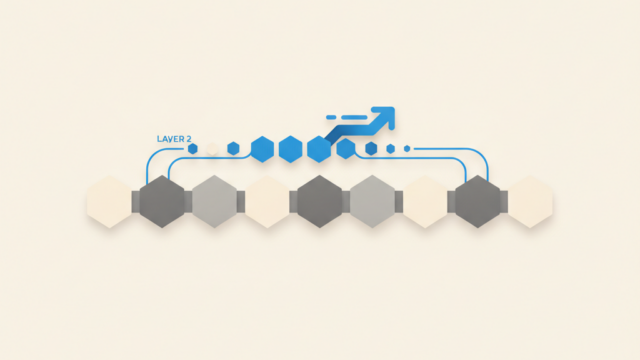
What is Layer 2 in crypto?
Layer 2 in crypto is a network built on top of a main blockchain to cut fees and boost speed.…
What Is Tokenomics? How Token Economies Work
Tokenomics is the study of how a crypto token's supply, distribution and incentives are designed; here is what to look…